
E-commmerce
22 June 2026 · 5 min read
Scaling Your Food And Beverage Brand (4 E-commerce Trends to Watch)
Lisa
Digital Marketing Specialist at Stackdbase
Building a food or beverage brand online is a unique challenge. Unlike SaaS or apparel, you are dealing with shipping costs, shelf life, and the reality that customers are often creatures of habit.
If you are just starting out or haven’t yet built a deep repository of customer data to inform your strategy, the "guesswork" phase can feel daunting. But you don’t have to reinvent the wheel. By observing shifts in the broader D2C food and beverage landscape, you can borrow the winning strategies that the biggest players are using to drive conversions.
At Stackdbase, we’re constantly analyzing what’s moving the needle. If you’re looking to optimize your site but aren’t sure where to start, here are four trends we’re watching right now.
1. The Power of Variety Packs
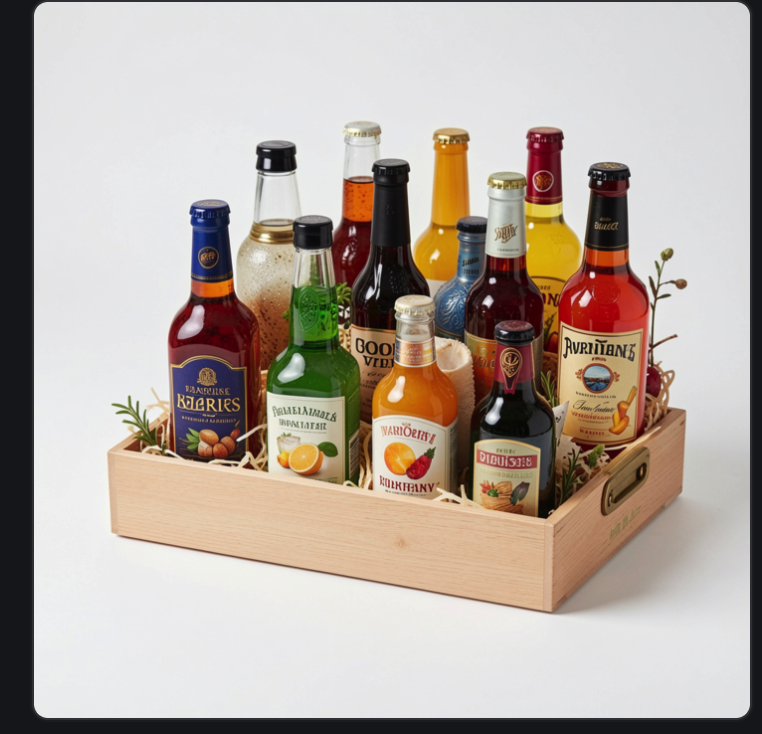
In the food and beverage world, the biggest barrier to purchase is the "flavor risk." A customer loves the idea of your brand, but they are hesitant to commit to a 12-pack of one flavor they haven't tasted yet.
Variety packs solve this friction point immediately. They offer low-risk entry points and higher average order values (AOV). By bundling your best-sellers with new releases, you aren’t just selling a product; you’re selling a tasting experience.
2. Wholesale Forms (B2B as a Growth Engine)
Don't wait for your brand to become a household name to start thinking about B2B. Many agile D2C brands are adding "Wholesale" or "Bulk Order" forms directly into their navigation.
Whether it’s for corporate gifting, local coffee shops, or offices, capturing B2B leads through a dedicated form allows you to diversify your revenue streams early. It turns your website from a simple storefront into a lead-generation machine for consistent, high-volume orders.
3. Mobile CTA Optimization
We live in an "Instagram-to-Cart" world. Your customer is likely finding your brand while scrolling on their phone, usually in a low-intent environment.
"If your "Add to Cart" button is buried under a wall of text or requires a complex scroll to find, you are losing sales."
Leading brands are prioritizing "sticky" mobile CTA buttons (buttons that stay fixed at the bottom of the screen as the user scrolls.) This minor UX tweak ensures that as soon as the customer is convinced, the action is exactly where their thumb is.
4. Trust Badges: The "Anti-Skepticism" Strategy
Food and drink are intimate; people are consuming your product. In an era where customers are increasingly conscious of ingredients, sourcing, and sustainability, they need to know they can trust you.
Using visual "Trust Badges" such as Non-GMO, Gluten-Free, Fair Trade, or "Made in the USA" positioned near your CTA is a proven way to convert skeptics. These badges provide the immediate, subconscious validation a new visitor needs to feel safe clicking "Checkout."
Start Building Your Foundation
You don’t need years of internal sales data to begin optimizing your customer journey. By implementing these four pillars; variety packs, wholesale channels, mobile-first CTAs, and trust badges, you are aligning your brand with proven e-commerce best practices.
Ready to get your brand’s backend and data infrastructure in order?
At Stackdbase.com, we help brands bridge the gap between their ideas and their data. Let’s build something scalable together.
More reading
Other notes from the studio.
Website
Why Your Website Isn't a Project, It's a Product
Most people treat their website like a project. You build it, you launch it, you move on. But a website is a product. Here's how to shift your mindset.
Marketing
Why Asking for a Review Is the Most Underrated Marketing Tactic
A good review is worth 10 paid ads. It's social proof that works while you sleep. Yet most brands don't ask. Here's how to start.