
Branding
26 August 2026 · 5 min read
Why Your "Millennial" Brand Is Alienating Your "Gen Z" Customers
Lisa
Digital Marketing Specialist at Stackdbase
Millennials grew up on glossy perfection. Gen Z grew up on TikTok authenticity. Here's how to build a website that actually speaks to the next generation.
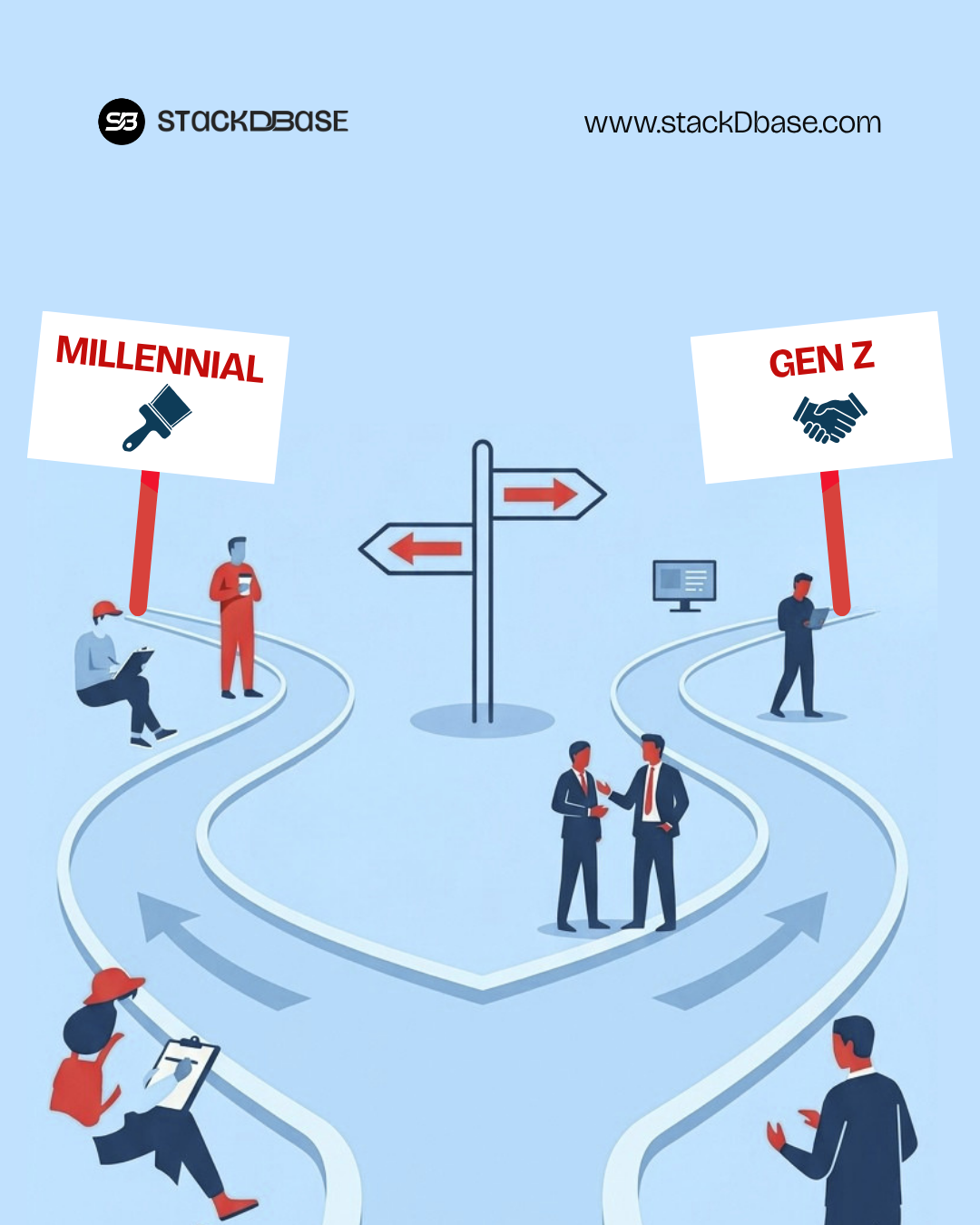
Your website feels like a magazine advert.
Beautiful photos. Curated aesthetics. Carefully crafted messaging. And it's turning off an entire generation. Gen Z is fundamentally different from Millennials in how they consume content, build trust, and make purchasing decisions. Brands that treat Gen Z as "younger Millennials" are misreading the room in ways that will cost them
The Millennial Playbook
Millennials created the influencer industrial complex, they grew up on Instagram grids and aspirational lifestyles. The marketing playbook was built around:
Narrative and aspiration. Curated, polished aesthetics. Carefully explained benefits. Motivational-sounding captions. The implicit contract was simple: brands would pretend this wasn't an ad, and consumers would pretend to believe them . It worked. For a while. Then Gen Z arrived and burned the playbook down.
Why Gen Z Is Different
Gen Z grew up with the internet and, crucially, grew up seeing through it. Overly produced content feels fake. Mega-influencers with millions of followers feel distant and unrelatable.
Key differences:
Millennials reward storytelling that feels human. Gen Z grew up after "human storytelling" became a corporate strategy. Millennials are looking for aspiration. Gen Z is looking for honesty. Millennials followed trend cycles. Gen Z sets its own. Millennials compare brand content to other ads. Gen Z compares it to their favorite creators.
What Gen Z Actually Wants
1. Honesty Over Perfection
Gen Z wants realness, not polish. Abercrombie & Fitch's vice president of marketing put it this way: "Gen Z is definitely very direct. They're very transparent. They want realness. They want authenticity." And that means advertising for Gen Z can be "messy" and "chaotic". The lesson: Perfection feels fake. Messy feels real.
2. Transparency Over Jargon
To Gen Z, transparency isn't a tone. It's a demand for specifics: pricing logic, supply chain ethics, who profits, and what has actually been done versus pledged. The lesson: Don't tell me you're authentic. Show me.
3. Speed Over Aesthetics
Research shows Gen Z prioritizes websites with intuitive navigation, fast loading speeds, and frictionless experiences. The Acquia TeenVoice Survey found that teens want sites that are fast, helpful, and "get out of their way." Performance and ease of use matter more than novelty. The lesson: A slow, beautiful site is worse than a fast, simple one.
4. Mobile-First, Video-First
Teens aren't browsing the web in the traditional sense. They're consuming it through video-first experiences. Static pages and text-dense layouts are invisible to them. The lesson: If your site isn't mobile-optimized and video-first, you don't exist.
5. Co-Creation Over Broadcast
Seven in ten teens want to help design the sites they use. They don't want to be marketed to. They want to shape the brands they buy from. The lesson: Give them control.
6. Community Over Loyalty
Fifty-four percent of Gen Z say their favourite brands make them feel part of a community, not just loyal customers. Brand loyalty is now "performance-based" if a brand fails to serve its purpose, they'll switch. The lesson: Build belonging, not just transactions.
How This Applies to Your Website
1. Stop Selling, Start Connecting
Your website shouldn't sound like a press release. It should sound like a person. Research shows 90% of Gen Z say digital authenticity should be a brand's top priority for future investment.
2. Put the Brand in Their Hands
Gen Z sets its own trends. Brands that win with this generation are constantly listening and adapting. As Abercrombie & Fitch's marketing VP put it: "When they say, 'We want this from you,' we go after that. When they change communication habits, change consumption habits, we're constantly listening".
3. Embrace "Messy"
Your website doesn't need to be perfect. It needs to be real. User-generated content explodes because it feels authentic. On TikTok, UGC accounts for 56% of all high-performing ads.
4. Be Specific
Don't say "We're innovative." Say what you actually do. Don't say "We care about sustainability." Show your supply chain. Be so specific that trust becomes unavoidable.
The Brands Getting It Right
Brands like e.l.f. Beauty have found success by listening, empowering creators, and not trying to control every message . Abercrombie & Fitch, once the "most hated retail brand," reinvented itself by understanding that its Millennial playbook no longer worked . The brands winning with Gen Z are giving up control. Handing the camera to real users. Letting the brand identity form organically.
Conclusion
Millennials built the machine; Gen Z set it on fire. If your website feels like a magazine advert, you're alienating the next generation. They want honesty, speed, and frictionless mobile experiences. They want authenticity, not curation. At StackDbase, we build for the next generation. Because your website shouldn't feel like a magazine. It should feel like a conversation. Ready to build a website that actually speaks to Gen Z? Let's talk.
More reading
Other notes from the studio.
Website
Why Your Website Isn't a Project, It's a Product
Most people treat their website like a project. You build it, you launch it, you move on. But a website is a product. Here's how to shift your mindset.
Marketing
Why Asking for a Review Is the Most Underrated Marketing Tactic
A good review is worth 10 paid ads. It's social proof that works while you sleep. Yet most brands don't ask. Here's how to start.